SEC launches ‘Project Crypto’ to bring traditional finance on-chain
If you're allocating capital across DeFi right now, you've probably lived this split for years: the protocols offering real yield live on-chain, but most of the durable, deep-pocketed capital…
Loretta Cummings·updated July 06, 2026
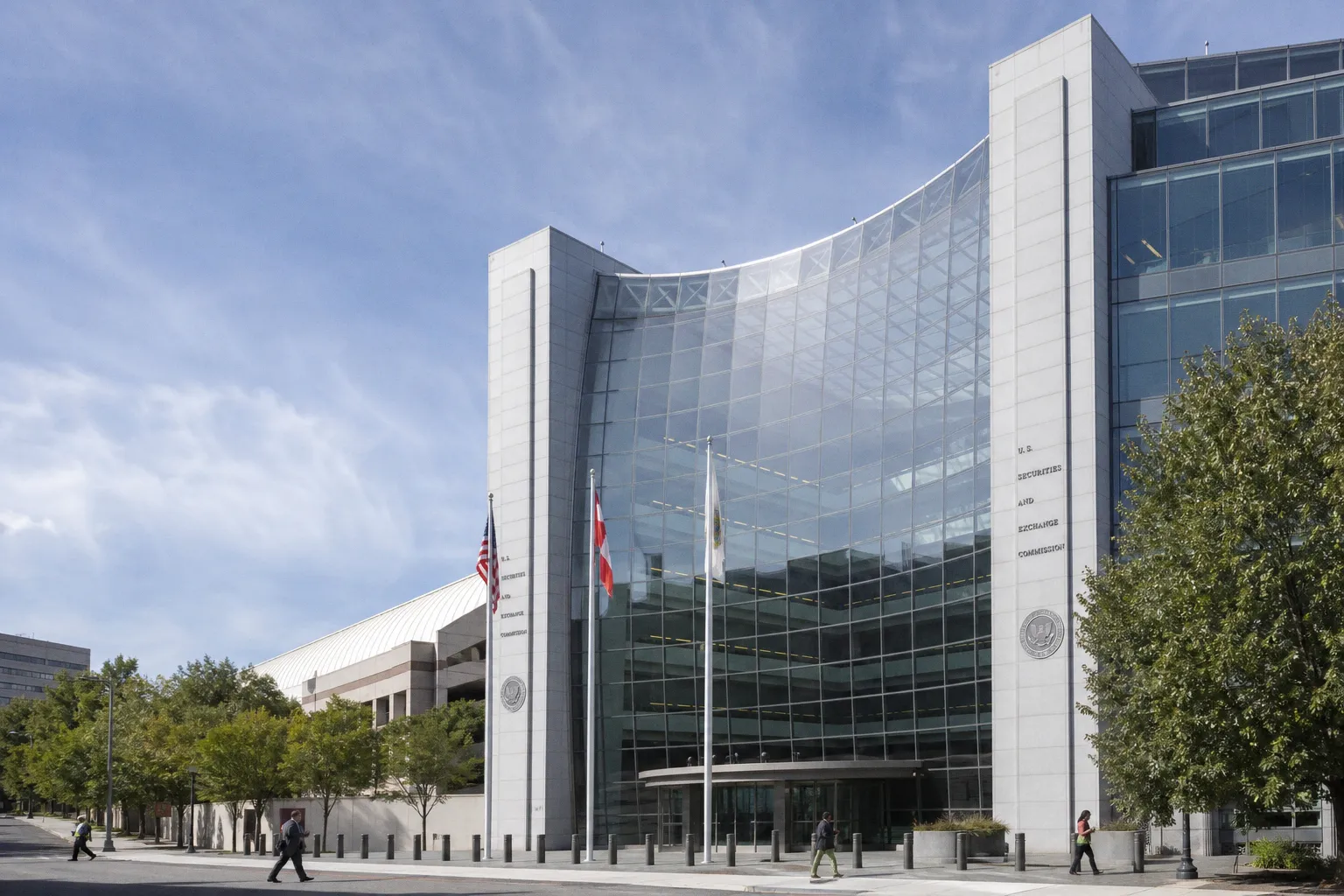
If you're allocating capital across DeFi right now, you've probably lived this split for years: the protocols offering real yield live on-chain, but most of the durable, deep-pocketed capital — pensions, endowments, the big balance sheets — has stayed locked behind traditional rails. The SEC just put a formal name on the effort to close that gap.
Chairman Paul Atkins has rolled out "Project Crypto," a sweeping initiative to rewrite U.S. securities rules for the on-chain era. I'm not reading it as a legal curiosity but as a signal that the ground beneath your long-term capital strategy is shifting. Let me walk you through what actually matters for anyone deploying capital in yield strategies today.
What's actually changing
The headline is blunt: the SEC is signaling that a majority of digital assets should not be classified as securities. In plain terms for your portfolio, most tokens won't carry the same registration, disclosure, and enforcement overhang that has shadowed the industry for years.
The work is being run through the SEC's Crypto Task Force, led by Commissioner Hester Peirce. The roadmap covers custody rules, trading frameworks, distribution standards for digital assets, and how decentralized finance plugs into the regulated landscape. Tailored disclosure requirements and exemptions for crypto offerings are also on the table — meaning the pathway for compliant yield products is moving from theory to drafting.
A Memorandum of Understanding with the CFTC is expected by March 2026, which would draw shared lines for tokens that don't fall under securities law. By mid-2026, the SEC plans to deliver updated market structure rules — including revisions to frameworks like Regulation NMS — that can accommodate on-chain trading systems alongside traditional exchanges. The initiative is explicitly aligned with the President's Working Group on Digital Assets recommendations, giving it a level of executive branch backing previous crypto-friendly pushes lacked.
Why this matters for your capital allocation
Here's the part I keep returning to: this isn't a story about price. It's a story about who shows up next.
Custody is the fulcrum. How the SEC defines acceptable custody for tokenized securities determines whether banks can hold these assets on behalf of clients — and that determines whether pension funds and endowments can step in. When that door opens, the pool of yield-seeking capital you compete with — and earn alongside — expands meaningfully. For anyone running a multi-year deployment, that changes the sustainability of your baseline yield.
A coherent cross-agency framework with the CFTC could also unlock regulated crypto derivatives that currently sit in a legal gray zone. Historically, that's where new structured products and hedging tools tend to appear first. If you've been waiting for cleaner instruments to manage your exposure around farming positions, that window is opening.
The Ethereum front door
While Washington reorganizes its rulebook, the institutional address on the Ethereum side is getting more formal. A new independent non-profit, Ethereum Institutional, has launched with anchor funding from Bitmine Immersion Technologies, Sharplink, and Ethereum co-founder Joe Lubin — consolidating a year of institutional engagement work from the Ethereum Foundation's go-to-market team.
The team already has more than 500 institutional relationships across Tier-1 banks, top-tier asset managers, sovereign institutions, custodians, and market infrastructure providers. Their Institutional Ethereum Forum has convened 150-plus senior executives from institutions representing roughly $250 trillion in combined assets under management. A complementary lab, Ethlabs, was also unveiled recently to advance protocol-layer innovation.
The numbers frame the opportunity you may already be positioned for: Ethereum currently hosts about $180 billion in stablecoins on mainnet — roughly 60% of total stablecoin supply, and around two-thirds of all tokenized real-world assets. If you're farming yield on stablecoin pairs or RWA collateral, that's the liquidity base you're already plugged into.
What I'd watch over the next 12 months
Three checkpoints matter for your planning:
- March 2026 — the SEC–CFTC MoU should land. Token classification gets clearer.
- Mid-2026 — updated market structure rules. On-chain trading frameworks become testable.
- Throughout 2026 — custody definitions and disclosure exemptions move from rhetoric to specific proposals.
The practical move isn't to reposition today. It's to map which of your current positions actually ride on rails these reforms will touch — stablecoin issuers, RWA protocols, tokenized treasury products — and consider how a compliant institutional layer changes their long-term trajectory. Capital efficiency tends to improve once the rules stop fighting the technology. That's the quiet trade-off worth navigating over the coming quarters.